

Menu
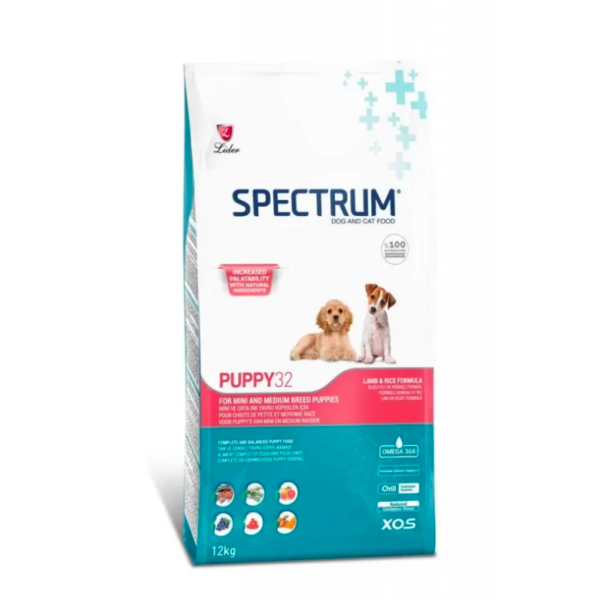
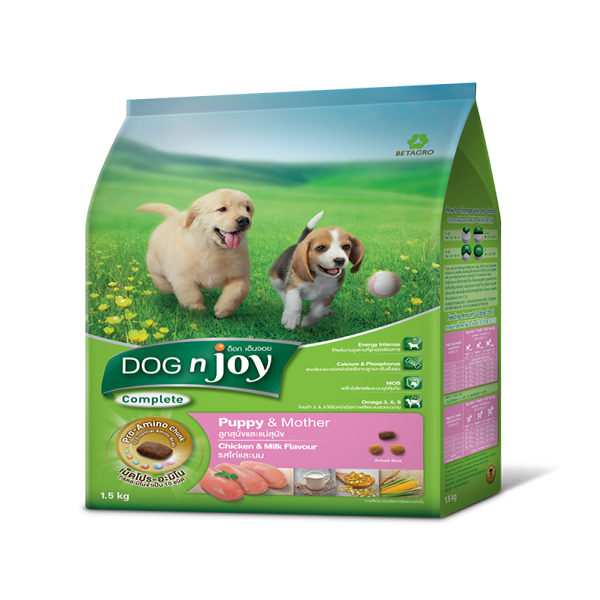
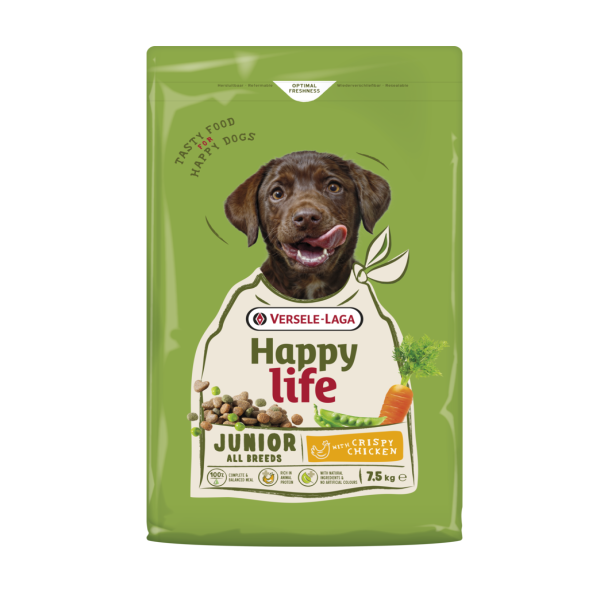
Puppy Dog Food
Get Product
from here
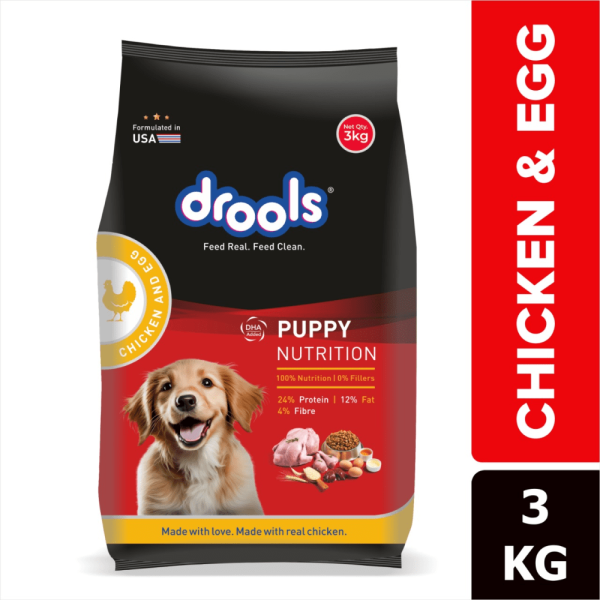 19%
19%
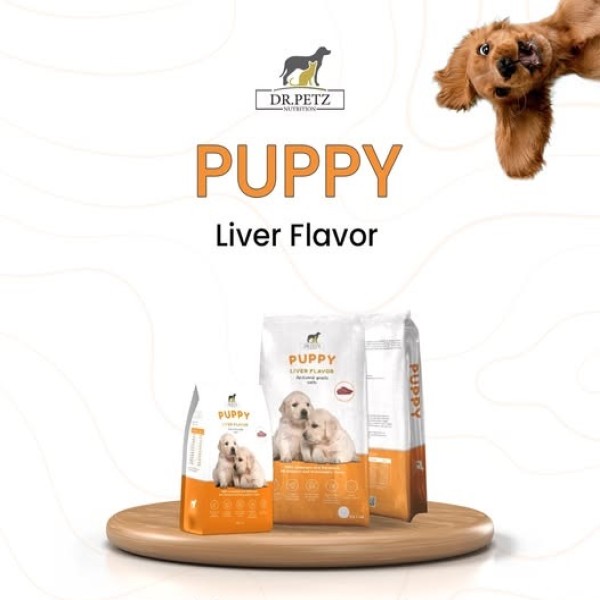 11%
11%
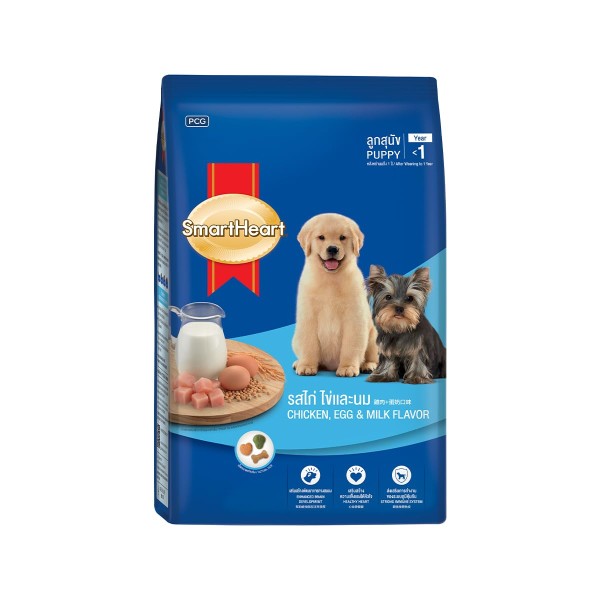
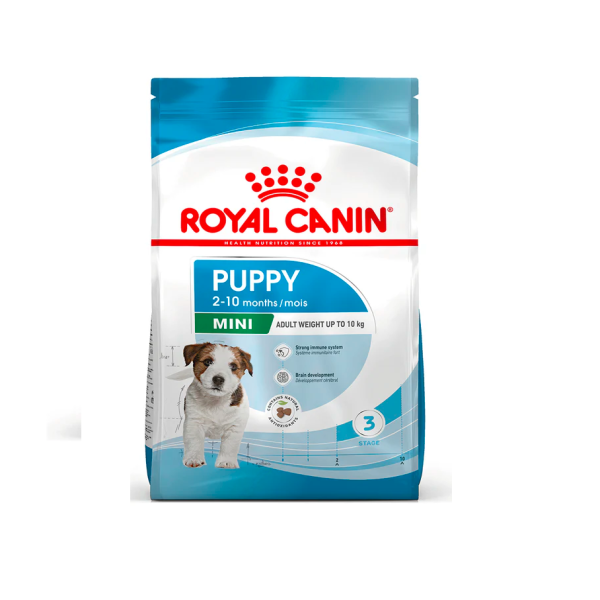 13%
13%
 8%
8%
 6%
6%
Puppy Dog Food - Best Nutrition for Growing Puppies in Bangladesh
Give your puppy the perfect start in life with our premium collection of puppy dog food. From newborn milk replacers to nutrient-rich wet and dry food, Shokher Tola 80 Taka offers everything your growing puppy needs for healthy development, strong bones, sharp mind, and boundless energy.
Why Puppies Need Special Food
Puppies are not small adult dogs — they're growing babies with very different nutritional needs. During their first 12-18 months of life, puppies grow incredibly fast, developing bones, muscles, brain, immune system, and vital organs. They need up to 2-3 times more calories, protein, and nutrients than adult dogs. Regular adult dog food simply doesn't provide what growing puppies need.
Feeding your puppy proper puppy food ensures:
- Strong bones and teeth development
- Healthy brain and neurological development
- Robust immune system against diseases
- Proper muscle growth and development
- Shiny, healthy coat
- High energy for play, training, and exploration
- Prevention of nutritional deficiencies and developmental problems
- Reduced risk of hip dysplasia and joint issues in large breeds
Types of Puppy Dog Food Available
Puppy Milk Replacers (0-4 weeks)
For orphaned puppies, rejected puppies, or supplementing mother's milk.
Powder Milk Replacers — Mix with warm water to create formula. Brands: Royal Canin Puppy Milk, Beaphar Lactol, CatSure Puppy Milk.
Liquid Ready-to-Feed Milk — Pre-mixed formula, just warm and serve. Convenient for emergency feeding.
Nursing Kits — Complete sets with formula, bottles, and nipples designed for tiny puppies.
Wet Puppy Food (3-8 weeks)
Puppy Mousse/Pâté — Ultra-smooth, creamy texture. Perfect for weaning puppies transitioning from milk to solid food.
Puppy Pouch in Jelly — Soft meat pieces in jelly. Easy to chew and digest. Popular brands: Pedigree Puppy, Me-O Puppy, Drools Puppy.
Puppy Pouch in Gravy — Tender meat in rich gravy. High moisture content for hydration and growth.
Puppy Canned Food — Larger portions in 400g cans. More economical for growing appetites.
Puppy Creamy Soup — Light, liquid meals with high nutrition. Good for picky eaters.
Dry Puppy Food (2-3 months to 12 months)
Puppy Kibble — Small-sized, crunchy pellets formulated for growing puppies. High in protein, calories, and calcium for bone development.
Grain-Free Puppy Food — No wheat, corn, or rice. Better for puppies with sensitive stomachs or genetic predisposition to allergies.
Large Breed Puppy Food — Special formula with controlled calcium and phosphorus to prevent joint and bone problems in large breed puppies (Great Dane, German Shepherd, Labrador, Golden Retriever).
Small Breed Puppy Food — Higher calorie concentration for small breeds (Chihuahua, Pomeranian, Shih Tzu) with smaller kibble size.
Giant Breed Puppy Food — Extra careful calcium/phosphorus balance for giant breeds (Great Dane, Mastiff, Saint Bernard) to prevent serious skeletal problems.
Premium Puppy Food — Superior ingredients, higher meat content, added probiotics and DHA for optimal development.
Mother & Puppy Food — Safe for pregnant and nursing mothers and their puppies.
What Makes Puppy Food Different?
Higher Protein (25-35%) — Supports rapid muscle and tissue development. Puppies need significantly more protein than adult dogs.
More Calories — Puppies need concentrated energy for growth and constant activity. Puppy food has 25-30% more calories.
Essential Fatty Acids — DHA (from fish oil) supports brain development, learning ability, and vision during critical early months. Crucial during first 12 months.
Calcium & Phosphorus Balance — Supports bone development. Critical for puppies, especially large breeds prone to joint issues. Wrong ratio causes serious problems.
Taurine — Important amino acid for heart and eye health in developing puppies.
Vitamins & Minerals — Higher levels of vitamins A, D, E, B vitamins, and minerals like zinc and iron support immune system, growth, and overall development.
Smaller Kibble Size — Dry food has smaller, softer pieces that tiny puppy mouths can chew easily.
Easy Digestibility — Gentler ingredients and prebiotics support developing digestive systems.
Proper Growth Rate — Formulated so puppies grow at healthy rate, not too fast (risk of joint problems) or too slow (malnourishment).
Popular Puppy Dog Food Brands in Bangladesh
Premium International Brands:
Royal Canin Puppy Food — The gold standard for puppy nutrition. Scientifically formulated for optimal growth. Available in breed sizes: Small Puppy, Medium Puppy, Large Puppy, Giant Puppy.
Pedigree Puppy Food — Most popular and trusted in Bangladesh. Complete nutrition with chicken, variety of flavors. Affordably priced. Available in dry kibble and wet pouches.
Pro Plan Puppy — Higher quality formula with OptiStart system for immune support and digestive health.
Me-O Puppy Food — Thai brand with excellent protein content. Puppies love the taste. Available in dry kibble, wet pouches, and canned food.
Drools Puppy Food — Indian brand with good nutritional balance. Budget-friendly with variety of formulas including large breed and small breed.
Canidae Puppy — American brand with probiotics in every kibble for digestive health.
Taste of the Wild Puppy — Grain-free, high protein with real roasted meats and vegetables.
Budget-Friendly Options:
Pedigree Puppy (Basic) — Economy line providing complete balanced nutrition at affordable price.
Me-O Puppy (Standard) — Good quality at reasonable price, very popular in Bangladesh.
Drools Puppy — Indian brand offers value without compromising essential nutrition.
Puppy Feeding Guide by Age
0-3 Weeks (Newborn)
- Food: Mother's milk only
- Frequency: Puppies nurse every 2-3 hours
- Amount: Natural nursing — mother determines amount
- Note: If orphaned, use puppy milk replacer every 2-3 hours including overnight
3-6 Weeks (Early Weaning)
- Food: Mother's milk + introduce wet puppy mousse/pâté
- Frequency: 4-5 meals per day
- Amount: Start with 1-2 tablespoons wet food, increase gradually
- Tip: Mix wet food with puppy milk replacer or water to make it softer
6-8 Weeks (Weaning)
- Food: Wet puppy food + introduce moistened puppy kibble
- Frequency: 4 meals per day
- Amount: 1/2 to 1 cup dry food (moistened) + 2-3 pouches wet food
- Size reference: About 1/2 to 1 cup total food per day depending on breed
- Note: Moisten dry food with water or puppy milk until kibble is soft
8-12 Weeks (Early Growth)
- Food: Wet + dry puppy food combination
- Frequency: 3-4 meals per day
- Amount: 1 to 1.5 cups dry food per day + wet food as supplement
- Size reference: Increase amounts as puppy grows rapidly
- Tip: Each puppy eats slightly different amounts based on individual metabolism
3-6 Months (Growing Phase)
- Food: Puppy kibble + wet food mixture
- Frequency: 3 meals per day (reduce from 4)
- Amount: 1.5 to 2.5 cups dry food per day depending on breed and size
- Large breeds: Stick to 3 meals longer (until 6-8 months) to prevent bloat
- Tip: Don't overfeed large breed puppies — they grow fast enough naturally
6-12 Months (Adolescent)
- Food: Continue puppy food (don't switch to adult yet)
- Frequency: 2-3 meals per day (large breeds: 3 meals until 12 months)
- Amount: 2 to 3.5 cups dry food per day depending on size and activity
- Note: Continue puppy food until at least 12 months for proper development
After 12 Months (Adult)
- Switch to adult dog food gradually
- Large/giant breeds: Continue puppy food until 15-18 months
- Frequency: Transition to 2 meals per day
Daily Food Amount by Puppy Size
Small Breed (2-10 kg adult weight):
- 2 months: 1/2 to 1 cup per day
- 4 months: 1 to 1.5 cups per day
- 6 months: 1.5 to 2 cups per day
- 10 months+: 1.5 to 2 cups per day
Medium Breed (10-25 kg adult weight):
- 2 months: 1 to 1.5 cups per day
- 4 months: 1.5 to 2.5 cups per day
- 6 months: 2.5 to 3.5 cups per day
- 10 months+: 2.5 to 3 cups per day
Large Breed (25-45 kg adult weight):
- 2 months: 1.5 to 2 cups per day
- 4 months: 2 to 3 cups per day
- 6 months: 3 to 4.5 cups per day
- 10 months+: 3 to 4 cups per day
Giant Breed (45+ kg adult weight):
- 2 months: 2 to 2.5 cups per day
- 4 months: 2.5 to 3.5 cups per day
- 6 months: 3.5 to 4.5 cups per day
- 10 months+: 3.5 to 4 cups per day
Always check your specific brand's feeding guide — formulas vary significantly in calorie density.
Important: Large & Giant Breed Puppies
Large and giant breed puppies need special care:
⚠️ Don't overfeed — Growing too fast increases joint and hip problems
⚠️ Controlled calcium — Excess calcium causes skeletal problems (use Large Breed formula)
⚠️ Avoid supplements — Most puppy food has all needed nutrients. Extra calcium is harmful.
⚠️ Multiple meals longer — Feed 3 meals per day until 6-12 months to aid digestion
⚠️ Slow growth is healthy — It's okay if large breed puppy grows slower than small breed
⚠️ Joint protection — Avoid jumping, long walks until growth plates close (12-18 months depending on breed)
Wet vs Dry Puppy Food - Which is Better?
Best Option: Combination of Both
Wet Food Benefits:
- Higher moisture (keeps puppies hydrated)
- Easier for developing teeth to chew
- More palatable (picky puppies love it)
- Gentler on sensitive stomachs
- Closer to natural prey diet
Dry Food Benefits:
- More concentrated nutrition
- Helps develop strong jaw muscles
- Cleans teeth through chewing action
- More economical and convenient
- Supports dental health
Recommended Split: 60% wet food + 40% dry food for optimal health, or 70% dry + 30% wet depending on preference.
Transitioning to Adult Food
When switching from puppy to adult food (around 12 months):
Week 1:
- Days 1-2: 75% puppy food + 25% adult food
- Days 3-4: 50% puppy food + 50% adult food
- Days 5-6: 25% puppy food + 75% adult food
- Day 7: 100% adult food
Watch for:
- Normal appetite (eating well)
- Firm stools (not diarrhea)
- Consistent energy levels
- No vomiting or digestive upset
If digestive upset occurs, slow down transition process over 10-14 days.
How Much Should You Feed?
Use this formula if feeding guide is unclear:
For Puppies Under 6 Months:
- Feed approximately 2-3% of body weight per day
- Example: 2 kg puppy = 40-60g per day (split into meals)
For Puppies Over 6 Months:
- Feed approximately 1.5-2% of body weight per day
- Example: 10 kg puppy = 150-200g per day (split into meals)
Monitor Growth:
- Puppies should gain steadily without being overweight
- You should feel (but not see) their ribs
- Waist should be visible from above
- Consult vet if puppy seems underweight or overweight
Important Puppy Feeding Tips
🍼 Never give cow's milk — Puppies are lactose intolerant after weaning. Use only puppy milk replacer.
⏰ Feed on schedule — Regular meal times help with toilet training and prevent overeating.
💧 Always provide fresh water — Puppies need constant access to clean water.
🥣 Use appropriate bowl size — Puppies should not have to bend too low to eat.
🧼 Keep food fresh — Remove wet food after 30 minutes. Bacteria grows quickly in Bangladesh's heat.
📏 Monitor growth — Weigh your puppy weekly. Healthy puppies should gain steadily.
🏥 Don't switch food suddenly — Change gradually over 7-10 days to avoid stomach upset.
👀 Watch for food allergies — Vomiting, diarrhea, skin issues, or excessive scratching may indicate food sensitivity.
🎓 Train on schedule — Puppies need consistent meal times for house training to work properly.
⚠️ Avoid human food — Chocolate, onions, grapes, fatty foods are toxic to puppies.
Foods NEVER to Give Puppies
❌ Cow's milk or dairy products (except special puppy milk)
❌ Adult dog food before 12 months (not enough nutrition for growth)
❌ Raw meat or fish (bacteria risk, especially for young puppies)
❌ Chocolate (toxic)
❌ Onions, garlic (toxic)
❌ Grapes, raisins (toxic)
❌ Avocado (toxic)
❌ Bones (choking hazard, splinters)
❌ Fatty foods, fried foods
❌ Salt, sugar, artificial sweeteners
❌ Cat food (wrong nutrient balance for dogs)
Signs Your Puppy is Eating Well
✓ Steady, consistent growth week to week
✓ Soft, shiny coat
✓ Bright, clear eyes
✓ Playful, energetic behavior
✓ Firm, regular stools (not diarrhea)
✓ Good appetite at every meal
✓ Healthy teeth and gums
✓ Age-appropriate development and size
Signs of Quality Puppy Food
✓ Named meat as first ingredient ("Chicken" not "meat by-products")
✓ High protein content (20%+)
✓ AAFCO certification for "growth" or "all life stages"
✓ Real meat sources — chicken, beef, fish, not generic "poultry"
✓ Named fats — "chicken fat" not just "animal fat"
✓ No artificial colors (red, yellow, blue dyes)
✓ Contains DHA for brain development
✓ Added probiotics for digestive health
✓ Appropriate calcium/phosphorus balance (especially large breed)
✓ No excessive corn, wheat, fillers as main ingredients
Special Situations
Orphaned Puppies — Need special care and 4-6 hour feeding schedule with puppy milk replacer. Consult a vet for proper care.
Sick Puppies — May need prescription puppy food or special diet. Always consult your vet.
Underweight Puppies — May need higher calorie food or more frequent meals. Growth should be normal, not excessive.
Picky Eaters — Try warming wet food slightly, mixing flavors, or adding a little meat broth.
Digestive Issues — Consider limited ingredient or sensitive stomach puppy food.
Large/Giant Breed Puppies — Absolutely must use large breed formula to prevent hip dysplasia and joint problems.
Breed-Specific Needs
Small Breed Puppies (Chihuahua, Pomeranian, Shih Tzu):
- Higher calorie concentration (more energy per cup)
- Smaller kibble size
- Careful of hypoglycemia — feed 3-4 meals, not free-feeding
Medium Breed Puppies (Beagle, Cocker Spaniel, Bulldog):
- Standard puppy formula
- Balance growth — not too fast, not too slow
Large Breed Puppies (Labrador, German Shepherd, Golden Retriever):
- Must use Large Breed formula
- Controlled calcium/phosphorus to prevent joint problems
- Slower, more controlled growth is healthy
- Feed 3 meals per day longer
Giant Breed Puppies (Great Dane, Mastiff, Saint Bernard):
- Special Giant Breed formula absolutely essential
- Most restrictive growth rate
- Extra careful with calcium balance
- Keep puppies lean (not fat) to reduce joint stress
- Limit jumping and running until fully grown
When to Switch to Adult Food
Small Breeds: 10-12 months
Medium Breeds: 12 months
Large Breeds: 12-15 months
Giant Breeds: 15-18 months
Some sources recommend waiting until 18 months for giant breeds. Consult your vet for your specific breed.
Storage Tips for Puppy Food
Dry Food:
- Keep in original bag inside airtight container
- Store in cool, dry place away from sunlight
- Seal tightly after each use
- Use within 6 weeks of opening
- Don't store in garage or outdoor areas in Bangladesh heat
Wet Food:
- Refrigerate opened cans/pouches immediately
- Use opened wet food within 2-3 days
- Don't leave wet food out more than 30-60 minutes
- In Bangladesh's heat, bacteria grows very fast
Shop Puppy Dog Food Online in Bangladesh
At Shokher Tola 80 Taka, we offer the largest selection of puppy dog food in Bangladesh at the best prices. All products are authentic, fresh, and specially formulated for growing puppies. Whether you need milk replacers for newborns, wet food for weaning, or premium dry food for growing puppies, we have everything you need.
Order now and enjoy fast home delivery to Dhaka, Chattogram, Sylhet, Rajshahi, Khulna, Rangpur, and across Bangladesh. Give your puppy the best start in life with quality food from Shokher Tola 80 Taka!
Help your puppy grow strong and healthy — shop puppy dog food today!
-
Shop 1: (Dhaka Newmarket ) Shop No: 35 (5th Floor, Lift-4), New Market City Complex (Bishwas Builders), New Market, Dhaka 1205.
HOTLINE: +880 1723 927 674 (Whats App) -
Shop 2: (Shonir Akhra) Shanir Akhra Bus Stand, 446 Noapara (Bornomala School Road), Shanir Akhra, Jatrabari, Dhaka 1236.
HOTLINE: +880 1333 259 867 (Whats App) -
Shop 3: (Mirpur -12): 305 (3rd Floor, Lift-2), House: 05, Noor Islam Molla Avenue, Mirpur-12 (Sultan’s Dine & Meena Bazar Building).
HOTLINE: +880 1335 521 022 (Whats App) -
Email :
shokhertula80tkmail@gmail.com


-
Address
Shop 1: (Dhaka Newmarket ) Shop No: 35 (5th Floor, Lift-4), New Market City Complex (Bishwas Builders), New Market, Dhaka 1205.
HOTLINE: +880 1723 927 674 (Whats App) -
Shop 2: (Shonir Akhra) Shanir Akhra Bus Stand, 446 Noapara (Bornomala School Road), Shanir Akhra, Jatrabari, Dhaka 1236.
HOTLINE: +880 1333 259 867 (Whats App) -
Shop 3: (Mirpur -12): 305 (3rd Floor, Lift-2), House: 05, Noor Islam Molla Avenue, Mirpur-12 (Sultan’s Dine & Meena Bazar Building).
HOTLINE: +880 1335 521 022 (Whats App) -
Phone
+8801515269693
-
Email